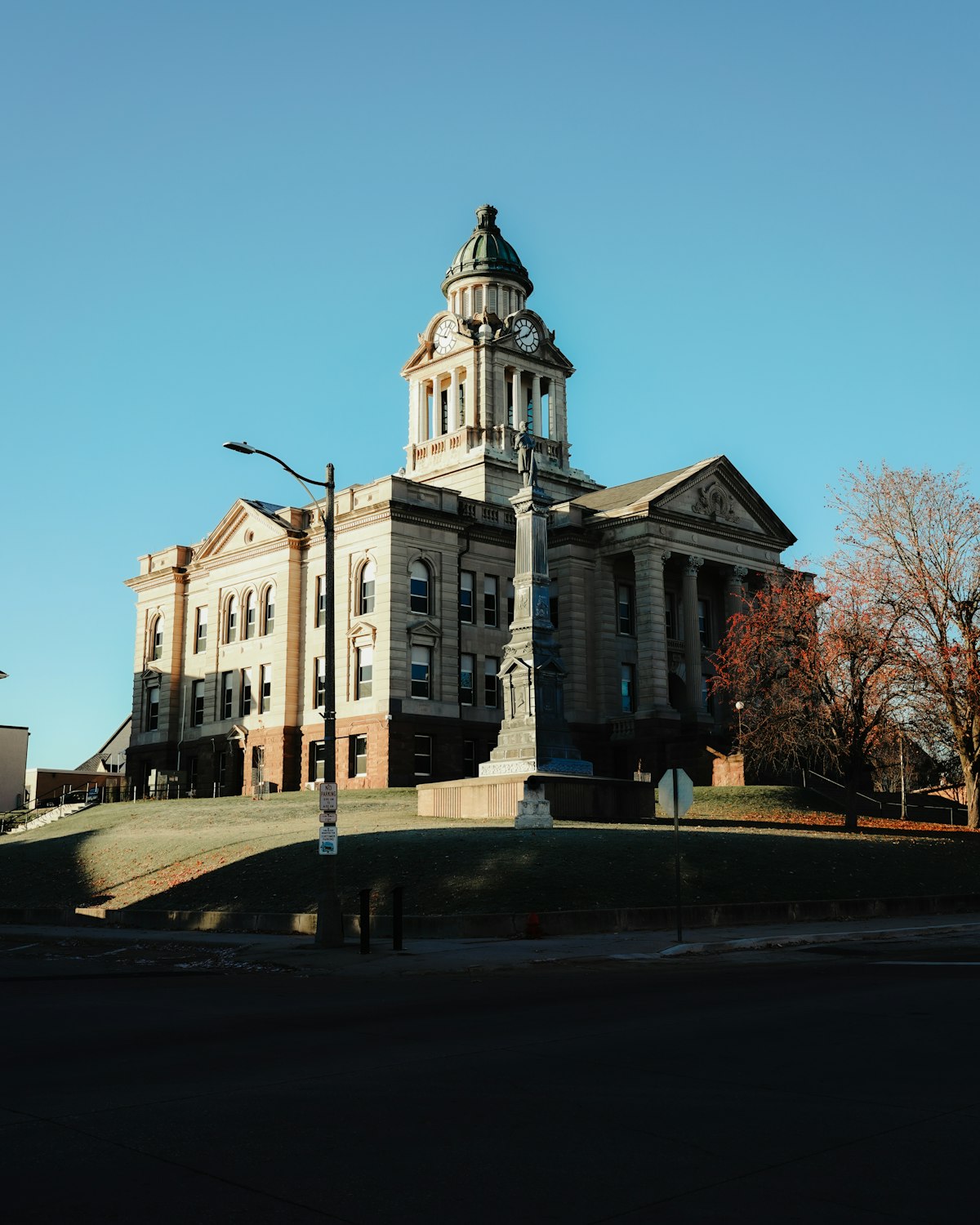
Pennsylvania will not tell you what a property is worth. The county posts an address, a case number, and an upset price. Nothing else. No appraisal, no assessed value, no estimate of any kind. Ohio buyers used to a sheriff's appraisal anchoring the minimum bid should recalibrate before bidding here.
That one gap shapes everything else about bidding in PA. It changes how much homework you do before auction day, how you set a maximum bid, and how badly you get hurt when you guess wrong. The single most common way we see people lose money here is treating the upset price as if it said something about value. It doesn't.
This guide covers how PA sheriff sales actually run: deposits, payment methods, closing deadlines, what happens when a winning bidder can't pay, and how the counties we cover differ from one another. If you have bought at auction in another state, there is a section near the end on the specific assumptions that will burn you here.
How a Pennsylvania sheriff sale works
Pennsylvania is a judicial foreclosure state. A lender files a complaint in the Court of Common Pleas, gets a judgment against the borrower, and then requests that the county sheriff sell the property to satisfy that judgment. The sheriff's office schedules the sale, publishes notice, runs the auction, and issues a sheriff's deed to the winning bidder after payment clears.
The sheriff is the seller of record. Not the bank, not a listing agent. That matters because every question you have about a specific property (deposit amount, payment deadline, what the sale conditions say) gets answered by the sheriff's office in that county, not by anyone else.
Sales in Pennsylvania run online through the RealAuction/RealForeclose platform. You register with the county, get approved to bid, and place bids during the auction window. Registration deadlines, bid increments, and auction timing all vary by county, so confirm those with the sheriff's office before your first sale.
The upset price is not a valuation
Every PA sheriff sale listing carries an upset price. This is the minimum acceptable bid, and it is calculated from what the plaintiff is owed: the judgment amount, plus accrued interest, plus sheriff's costs, plus taxes and municipal claims that have to be satisfied out of the proceeds.
It is a debt figure. It has no relationship to market value.
A property with a $90,000 upset price might be worth $200,000, or it might be worth $55,000. A borrower who bought in 2003 and nearly paid off the mortgage produces a tiny upset price on a valuable house. A borrower who refinanced twice at the peak produces an upset price above what the property will ever sell for. Both show up on the same docket, formatted identically.
We have watched bidders run well past the upset price on the theory that the number meant something, then find out the house was never worth the opening bid. The upset price tells you the floor of the auction. It tells you nothing about the ceiling of your risk.
Why this makes PA a blind auction
Some foreclosure states publish a valuation with every sale. Ohio is the clearest example: state law requires an appraisal before a sheriff sale, that number is published with the listing, and on a first sale the property cannot sell for less than two-thirds of it (ORC 2329.20). An Ohio bidder opens a listing and immediately knows roughly what the county thinks the house is worth. Florida publishes assessed values in most counties, which are capped below market but still give you a reference point.
Pennsylvania publishes nothing. There is no appraisal requirement, no minimum tied to value, no assessed figure carried onto the sale listing.
So the valuation work that other states hand you for free is work you do yourself in PA, on every single property, before you bid a dollar. That is the market. The rest of this guide is mostly about how to operate inside it.
Deposits: every county sets its own
There is no statewide deposit statute in Pennsylvania. Each county sheriff's office writes its own conditions of sale, and those conditions set the deposit amount, the acceptable payment methods, and the deadline. Two counties an hour apart can have completely different rules.
Deposit structures generally fall into one of three shapes:
- A flat dollar amount, often in the $5,000 to $10,000 range, due at registration or immediately on winning
- A percentage of the winning bid or upset price, most commonly 10%
- A hybrid, where you post a fixed amount to register and then bring the balance of a percentage after the hammer falls
Payment methods vary just as much. Certified or cashier's checks are accepted everywhere. Wire transfers have become common with online bidding. Cash is accepted in some counties and refused in others. Personal checks are almost never accepted anywhere, so do not plan around one.
Before your first auction in any county, call the sheriff's office and ask three questions: What is the deposit? What forms of payment do you take? When is it due? Write the answers down and confirm them again if you skip a few months between sales, because counties revise their conditions.
County notes
AuctionScout covers seven Pennsylvania counties. Here is how they differ in practice. Verify current figures with each sheriff's office before you bid, since these procedures change.
Lancaster County runs one of the more active foreclosure dockets in the state. Deposits are generally due at the time of sale in certified funds. If you are going to learn PA by watching one county, Lancaster gives you the most repetitions.
York County produces steady volume from a mix of suburban and small-city stock. York posts deposit requirements and closing timelines alongside each sale listing, so read the docket entry before you register rather than assuming last quarter's terms carried over.
Butler County, north of Pittsburgh, catches spillover demand from the broader Pittsburgh market. The sheriff's office publishes sale conditions with each listing. Being adjacent to a real metro gives you exit options that the more rural counties don't.
Washington County (the Pennsylvania one, not Washington County, Florida) sits southwest of Pittsburgh and follows standard PA practice, with deposits due at sale. Washington and Butler occasionally run overlapping auction schedules, so front-load your due diligence if you are tracking both.
Fayette County covers Uniontown and the area south of Pittsburgh. Lower volume, lower price points. This is where buy-and-hold investors tend to look once bidding in Butler and Washington gets competitive.
For any PA county, the sheriff's office is the authority on its own procedures. There is no shortcut around that call.
Closing: the part that costs people money
Winning the bid is the easy half. The closing timeline in Pennsylvania is short, and it is enforced.
The deposit comes due immediately or within whatever window the county specifies, frequently the same day or the next business day. Show up with the funds already in the right form, because nobody is going to wait while you get a check certified.
The balance is usually due within 30 days of the sale. Some counties give you less. Whatever the number is, it lives in the conditions of sale that the sheriff's office posted for that auction, and it is not a soft target.
Once you have paid in full, the sheriff's office prepares and records the deed that transfers ownership to you. How long that takes depends on the county's backlog. A couple of weeks in some, considerably longer in others.
Then there is possession. If someone is living in the property, getting them out is a legal process, and Pennsylvania gives occupants certain protections. Talk to a PA attorney before you assume you can change the locks the day the deed records.
What happens if you win and can't pay
This is the scenario worth understanding before you raise your paddle, because the consequences run past the obvious one.
The rule that follows from all of this is simple: never bid past what you can actually deliver in certified funds inside 30 days. Confirm financing before the auction, not after.
How to bid when nobody gives you a number
Investors who do well in Pennsylvania all run some version of the same pre-auction routine. None of it is exotic. It is just work that the county doesn't do for you.
Pull your own comps. Find recent sales of similar properties nearby, ideally within a half mile and the last six months. This is the step that replaces the appraisal you would get in a state that publishes one.
Look at the property. Drive it if you can, or at minimum work through satellite and street-level imagery. Comps drawn from finished houses mean nothing if the subject needs a roof and has no working HVAC. You will not get inside, so squeeze everything you can out of what you can see from the curb.
Search the title. Pennsylvania sheriff sales can pass surviving encumbrances to the buyer, and municipal claims and tax liens are the usual culprits. Priority and proper service in the foreclosure action both matter. A title search costs a fraction of what an unexpected $30,000 lien costs.
Fix a maximum bid and hold it. With no published number anchoring the room, auction psychology fills the vacuum. Bidders watch each other instead of the fundamentals, and prices drift. Decide your ceiling before the auction opens and treat it as fixed.
Where we fit
We built AI valuations for Pennsylvania specifically because the counties publish none. For every PA property on our platform you get an estimated market value with a confidence score, comparable sales, and a renovation estimate.
That gives you the reference point a PA listing lacks. It does not replace the title search, and it does not replace looking at the house. What it does is move you from guessing to estimating, which is the entire difference between a disciplined PA bid and a hopeful one.
We track results weekly across all seven PA counties we cover, so you can also see what comparable properties have actually been selling for at auction rather than what a national model thinks they are worth.
If you have bought at auction in another state
A lot of the people moving into Pennsylvania are coming from Ohio, and the habits transfer badly. If that is you, here is what to unlearn.
Ohio bidders think in percentages of the sheriff's appraised value, because Ohio publishes one: the two-thirds floor on a first sale, the discount to appraisal on a winning bid. In Pennsylvania that vocabulary has nothing to attach to. Catch yourself reaching for a percentage and you are reaching for a number that does not exist here.
Deposits are the second trap. Ohio sets residential deposits by statute in flat dollar tiers (ORC 2329.211), so one rule covers the state. Pennsylvania leaves it to each county, so learning Lancaster's deposit rule teaches you Lancaster's deposit rule.
And the minimum bid means something different. Where Ohio's floor is tied to value, Pennsylvania's upset price is tied to debt. Same position in the listing, completely different number.
Lien survival is its own problem. What survives a sheriff sale is state law, and Ohio's answer does not port. Run the title search, ask a PA attorney about what you find, and do not assume anything based on what got wiped in a sale you bought in Cuyahoga.
The procedural bones are similar across judicial foreclosure states, which is exactly what makes this dangerous. The process looks familiar enough that experienced bidders stop reading the fine print, and the fine print is where all the differences live.
FAQ
What is a Pennsylvania sheriff sale? A public auction of real property ordered by the court after a mortgage foreclosure judgment. The county sheriff conducts the sale and issues a sheriff's deed to the winning bidder after full payment. PA sheriff sales run online through the RealAuction platform.
How much is the deposit for a PA sheriff sale? It depends entirely on the county. Deposits range from flat amounts in the $5,000 to $10,000 range to percentages of the bid or upset price, commonly 10%. Pennsylvania has no statewide deposit statute, so check with the specific county sheriff's office.
What is the upset price? The minimum acceptable bid, calculated from the judgment amount plus interest, costs, taxes, and municipal claims. It reflects what is owed, not what the property is worth. Treating it as a valuation is the most expensive mistake in PA auctions.
Can I inspect a property before a PA sheriff sale? No. You have no right of entry before the sale. You can view the property from the street, use satellite and street-level imagery, and research public records including permit history through the county.
What liens survive a Pennsylvania sheriff sale? It depends on lien priority and on whether each lienholder was properly named and served in the foreclosure action. Property tax liens and certain municipal claims commonly survive. Run a title search before you bid and consult a Pennsylvania real estate attorney on anything you find.
How long do I have to pay after winning? Most PA counties require the balance within 30 days of the sale, with the deposit due immediately or the next business day. The binding deadline is in that county's conditions of sale.
How many PA counties does AuctionScout cover? Seven, with AI valuations, comparable sales, renovation estimates, and weekly auction results for each.
Get a number before you bid
Pennsylvania hands you an address and a debt figure and expects you to work out the rest. AuctionScout gives you the rest: an AI valuation with a confidence score, comps, a renovation estimate, and weekly results across all seven PA counties we cover.
Set an alert for the counties you are watching and we will tell you when something new hits the docket. That part takes about 30 seconds.
Try AuctionScout free for 14 days at auctionscout.app.